Projects

Masonry, concrete and steel structures.


Using precise planning, automated drone flights, and advanced image analysis with AI-based pattern recognition, we deliver a systematic and comprehensive 3D damage mapping solution for complex infrastructure. We have validated this technology across a wide range of real-world projects, including steel structures, masonry viaducts, reinforced concrete bridges, retaining walls, and towers. These projects demonstrate the robustness of our solution across different materials, geometries, and inspection challenges, providing reliable data to support condition assessment, maintenance planning, and informed decision-making. To date, we have performed inspections on more than 80 structures, and in the following sections we showcase a few representative examples.

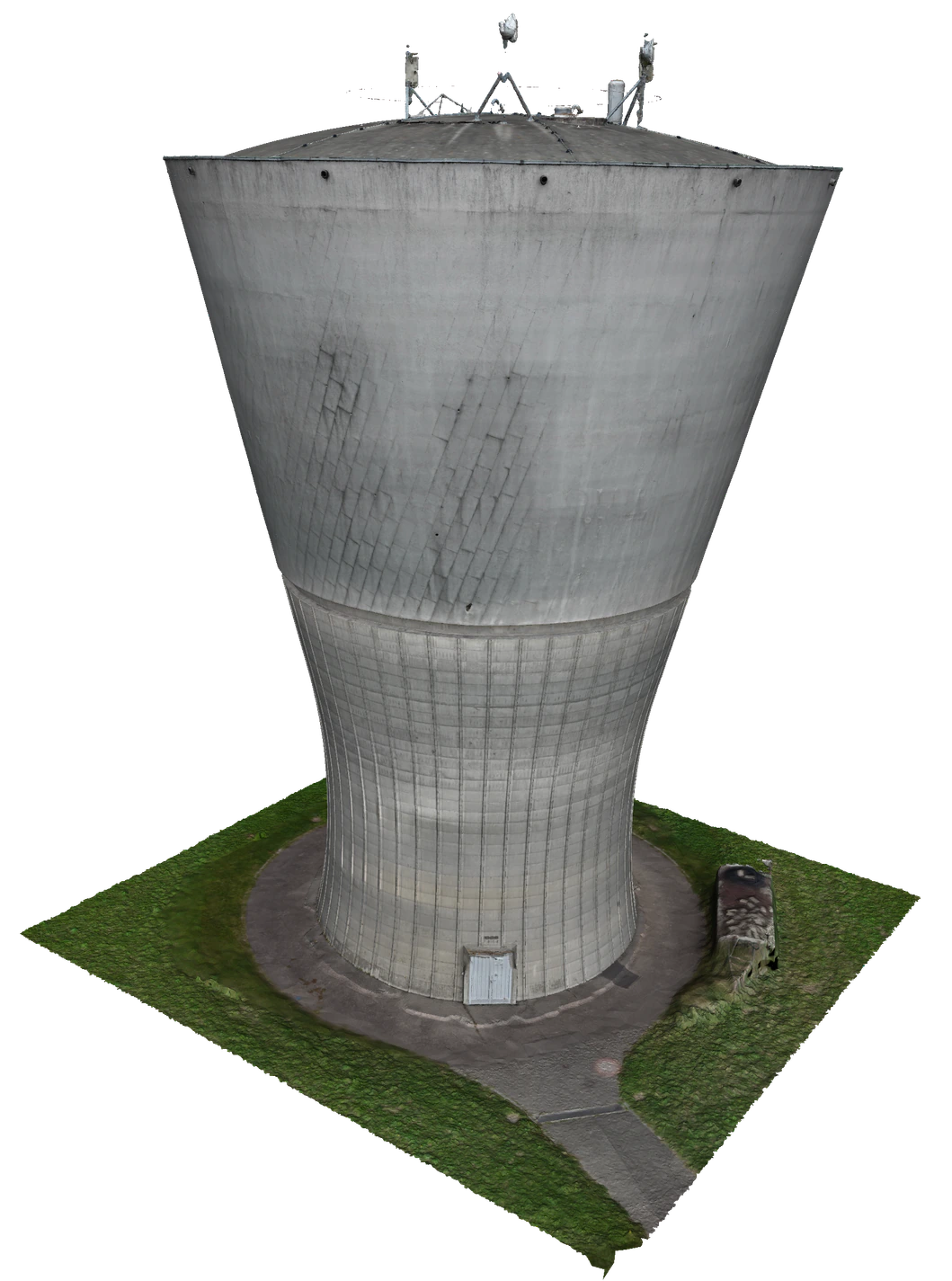
The Collex-Bossy water tower was built in 1966. Its lower section has a hyperboloid shape, while the upper section is a truncated cone.

The Services Industriels de Genève (SIG) engaged our team to perform a comprehensive inspection of the structure, with a focus on identifying corrosion, spalling and cracking. With precise planning that followed the tower’s geometry, we provided detailed damage mapping of the structure.

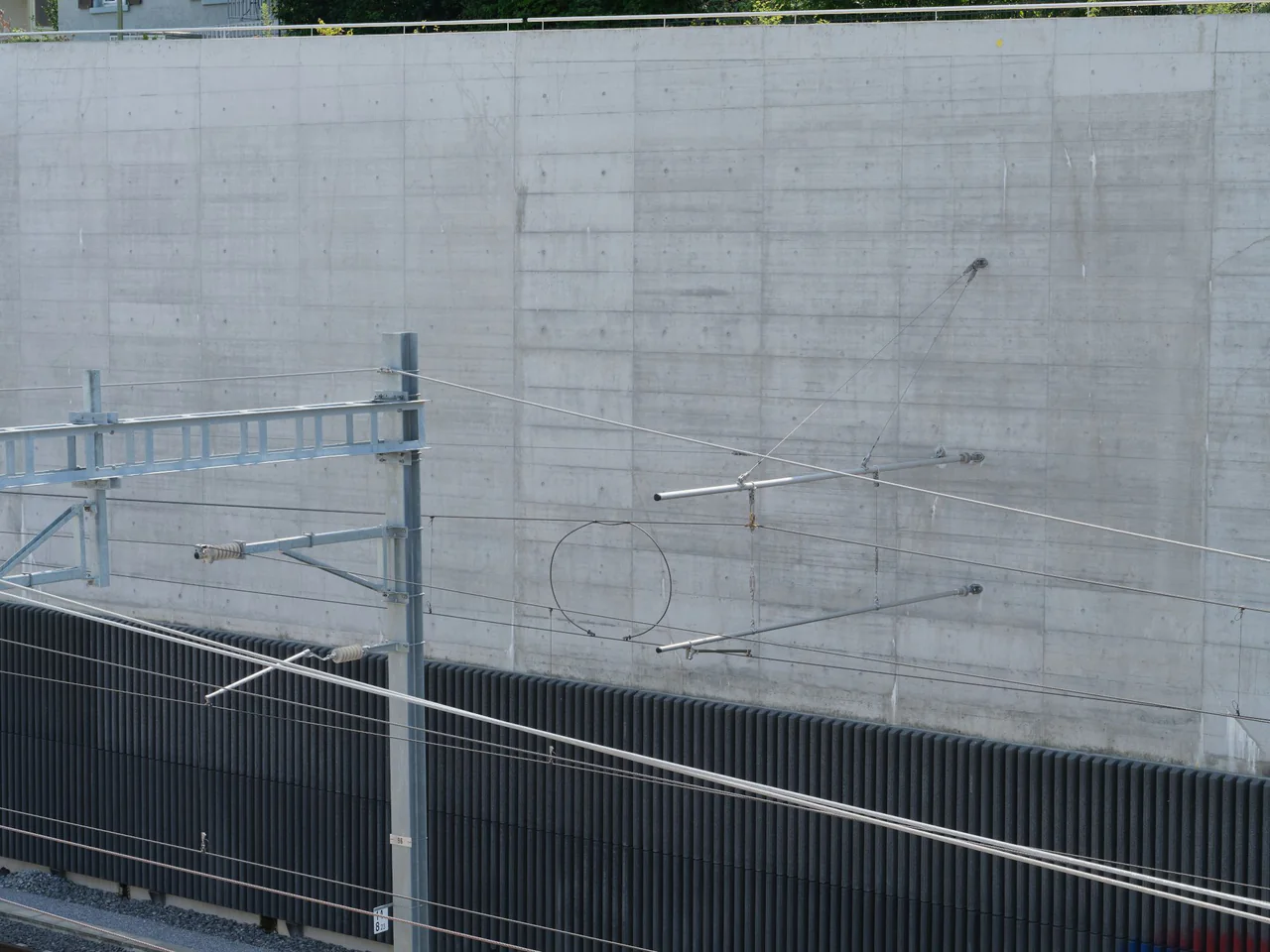
It is not always about drones. Inspecting retaining walls near railways is always challenging, and using drones in this context can be complicated. At SwissInspect, we delivered an imaging solution that did not rely on drones to achieve detailed condition assessment.

Our team provided an AI-based crack mapping and quantification solution for two retaining walls along the SBB railway in Liestal, Switzerland. We captured around 13,000 images with a resolution between 0.15 and 0.20 mm/px, allowing accurate crack width measurement. A key advantage of this approach was that the entire survey was completed without interrupting rail traffic and without the need for an aerial lift, improving safety while keeping costs under control.

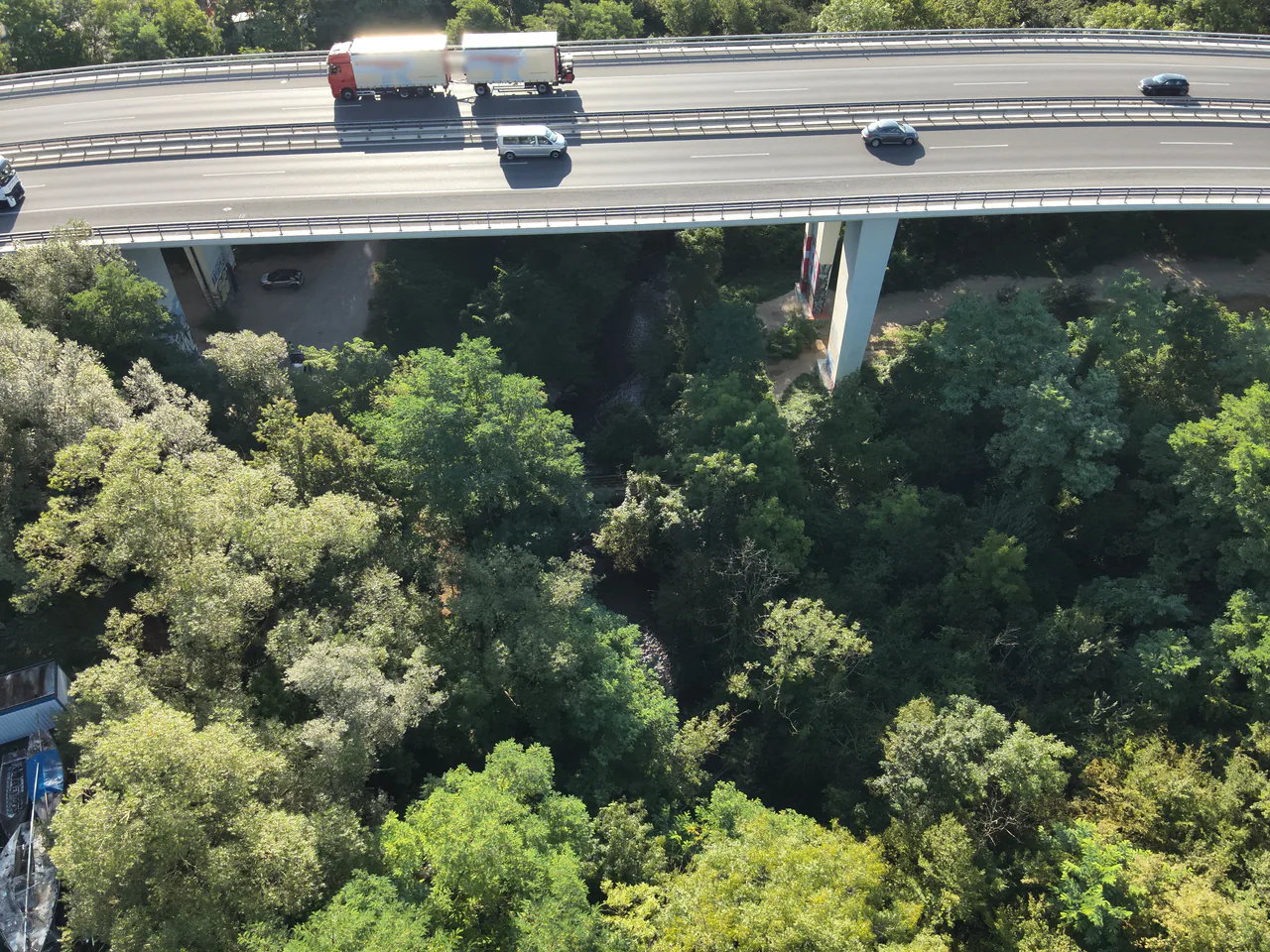
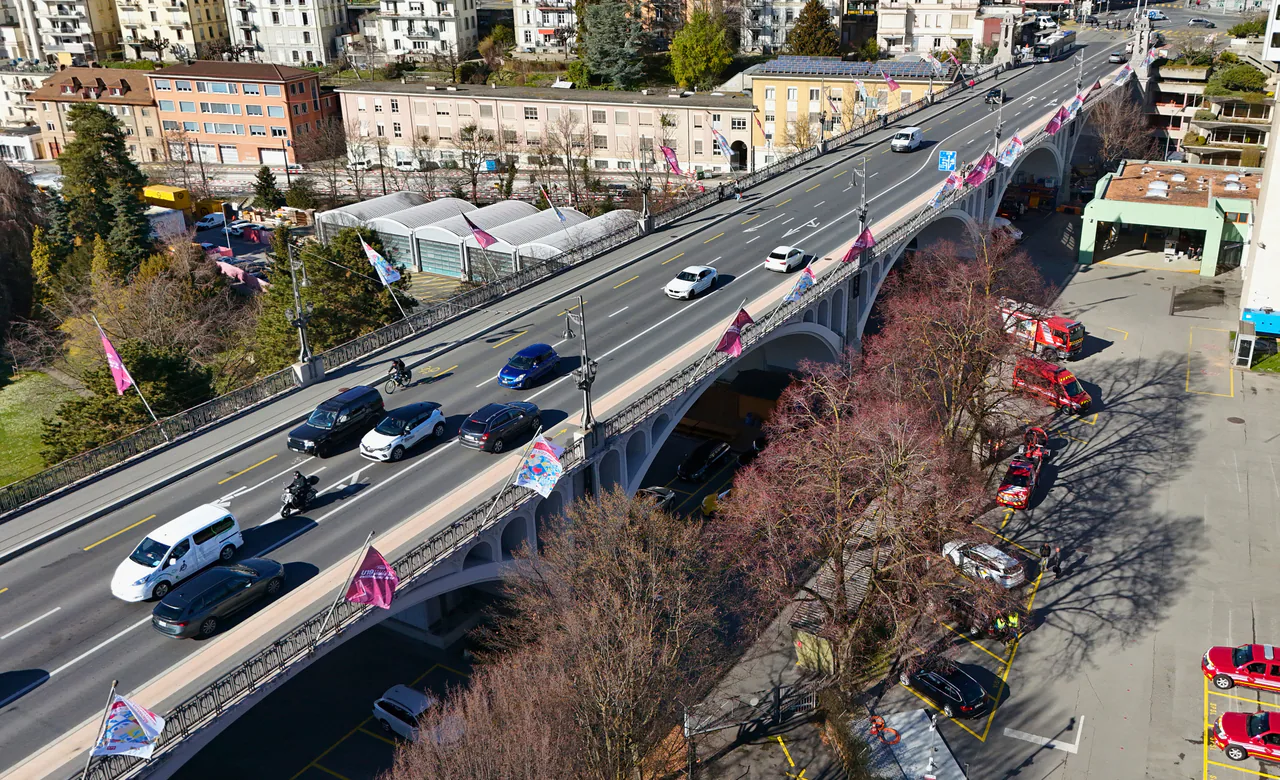
The Chauderon Bridge is a road bridge in the city center of Lausanne, Switzerland. Using our image-based inspection solution, the city was able to map existing cracks and paint damage with precise 3D localization. This level of detail now allows the bridge owner to track how the damage develops over time and plan timely repairs.

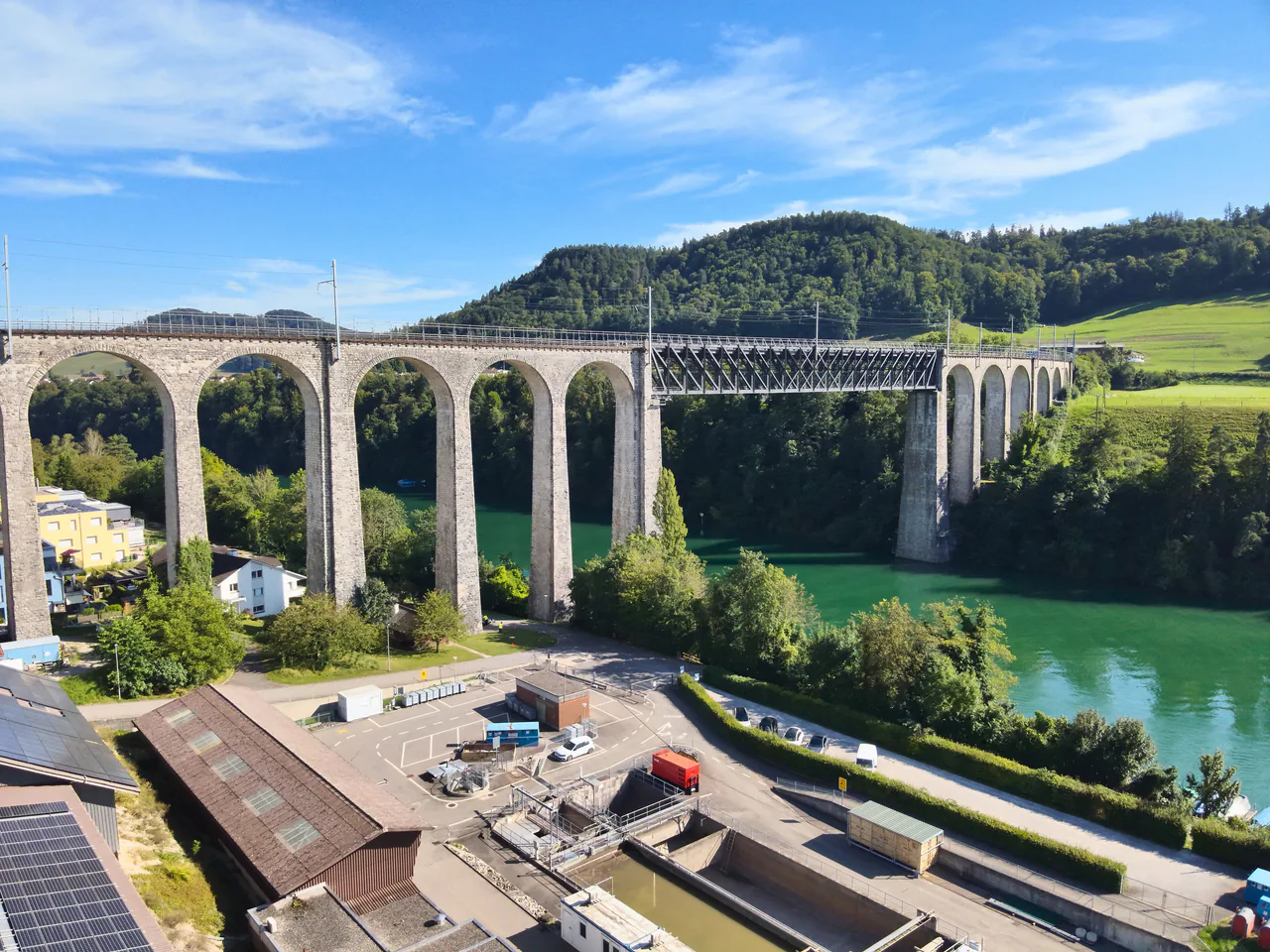
We provided a comprehensive image-based inspection solution for damage mapping of SBB Rheinbrücke Eglisau—a culturally significant Swiss landmark constructed between 1895 and 1897.

Our AI detected cracks at a pixel level in images, and classified each instance based on its width. It also identified around 88’000 individual stones, helping engineers build a clear picture of the stone types and their condition based on the detected damage patterns.

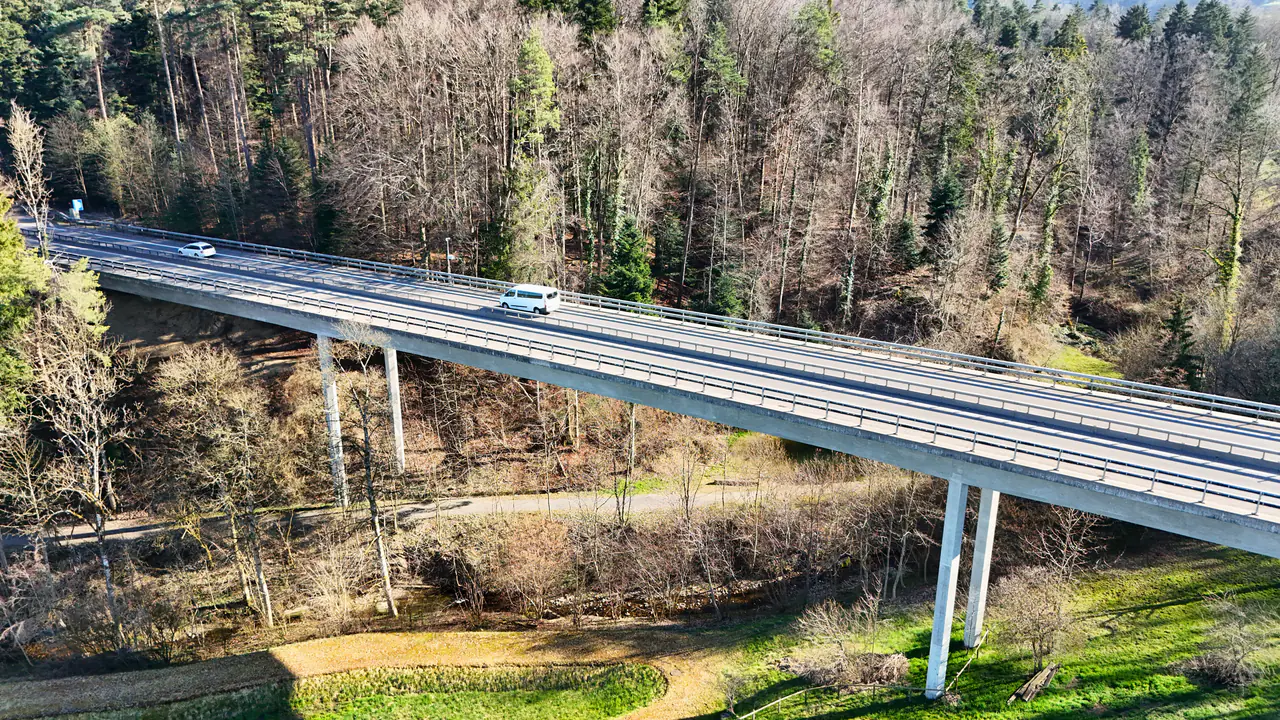
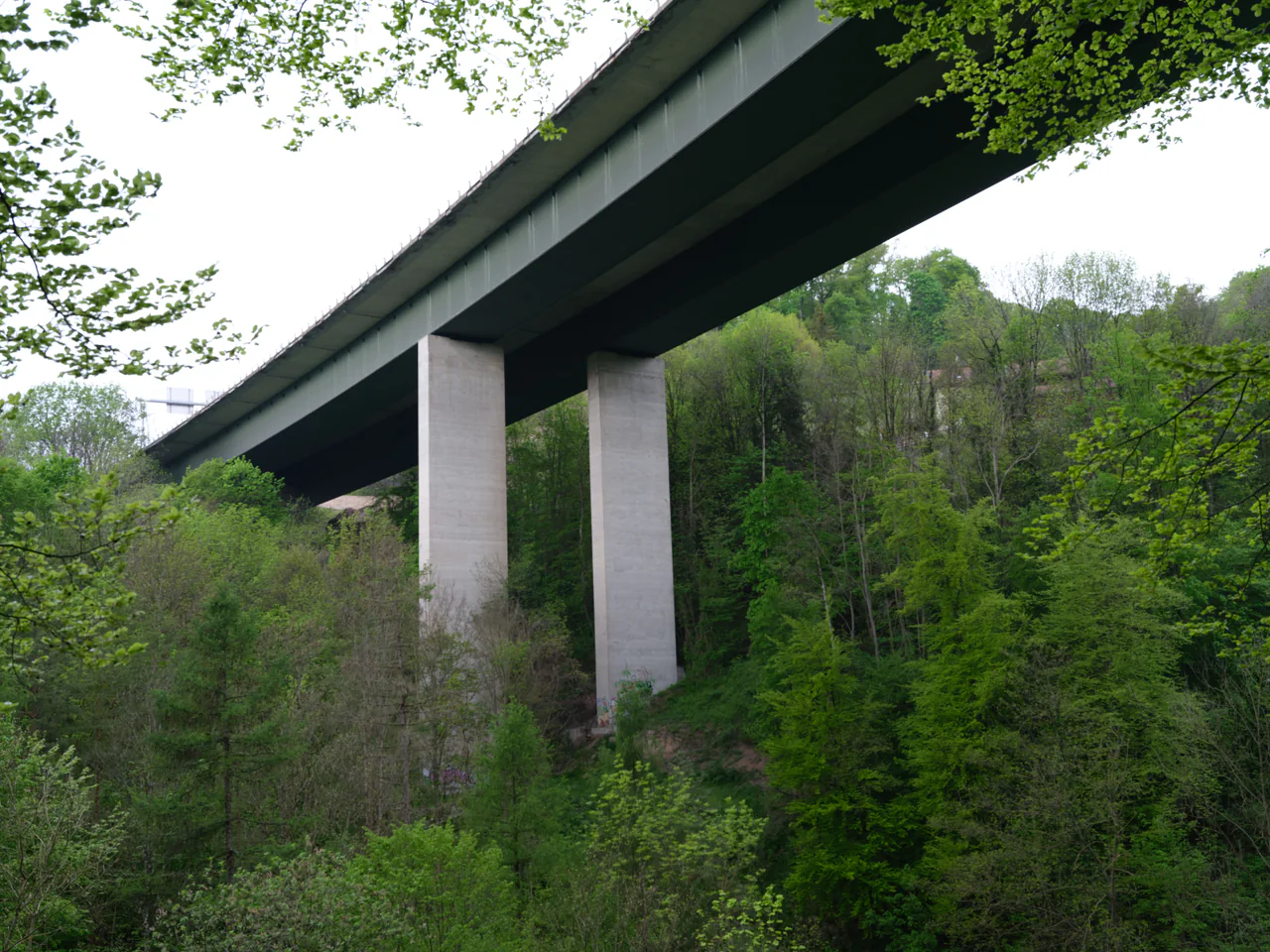
The Tuftal Viaduct is a road bridge in Egg, Switzerland, maintained by Kanton Zürich. Through precise drone flight planning, we captured images at a resolution of 0.3 mm per pixel, enabling detailed crack mapping across the entire structure. Our AI models also identified and quantified spalling and corrosion, giving the owner a comprehensive view of the bridge’s condition.

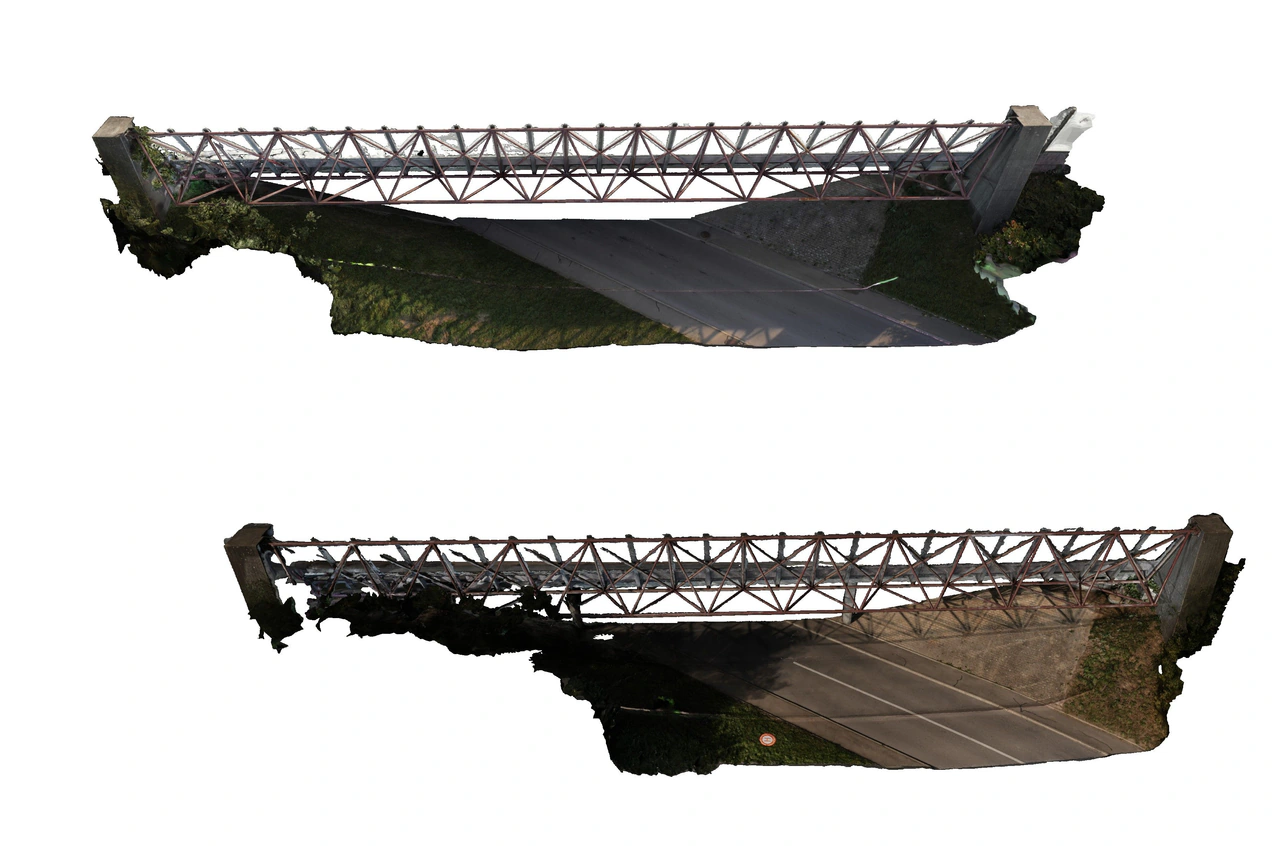
An image-based inspection solution was developed for Bundesamt für Strassen ASTRA to monitor corrosion on a steel truss supporting a sound barrier along a highway in Switzerland.

Two inspection campaigns were carried out, one in 2022 and another in 2023. For each campaign, drone imagery was processed with our AI to segment corrosion areas, and the growth of each instance was assessed while accounting for detection uncertainty.

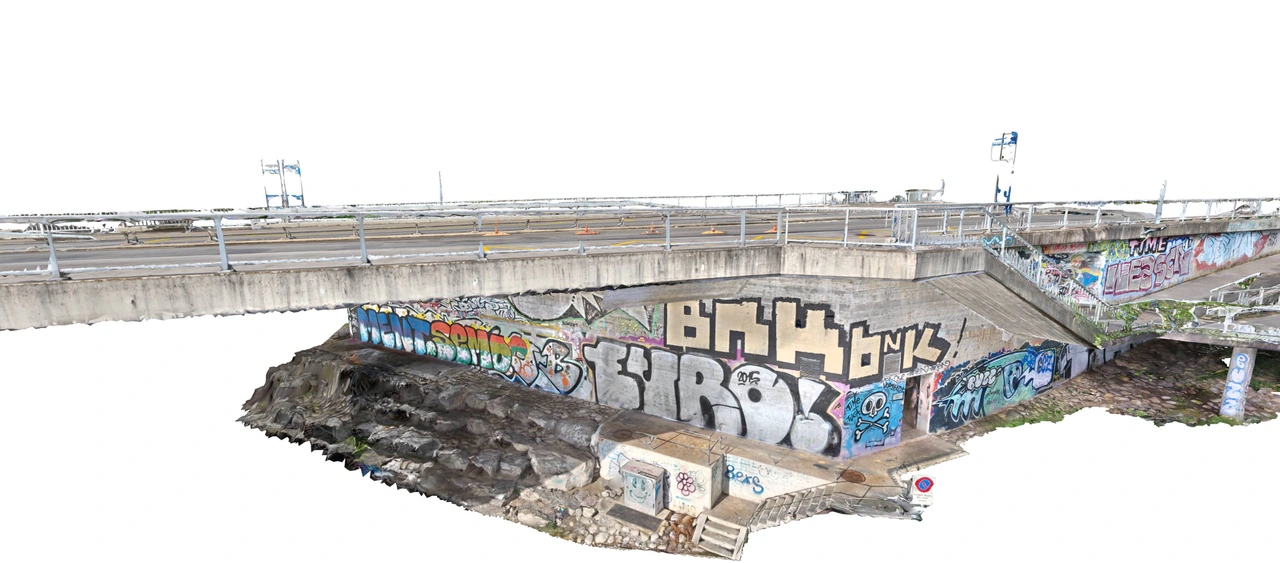
A customized image-based inspection solution was developed to map damage on both the exterior and interior surfaces of a reinforced concrete bridge abutment owned by Kanton Zürich.

The approach combined drone and handheld camera data collection, enabling the detection of cracks wider than 0.2 mm. Using PRIMA, engineers were able to correlate damage patterns between the inside and outside surfaces.

Image-based Inspection with PRIMA

Do you want to know more about our image-based inspection solution or deploy PRIMA for your organization?